Hierarchies are not the only coordination mechanism; there is also the market system. The market system is based on the execution of transactions, which is why this theory is called transaction economics. This introduces opportunistic behavior as a second source of uncertainty and presents the market system as an alternative way of coordinating work.
Economic Transactions (Williamson 1975)
Definition
Transactions form the foundation of economic interactions, serving as the primary mechanism through which individuals and entities exchange goods and services. At its core, a transaction is a reciprocal exchange (one party provides something of value in return for another good or service).
This concept is deeply embedded in human behavior and has been a fundamental means of coordination throughout history.
Even from an early age, individuals understand the nature of transactions, often more intuitively than centralized command structures. Historical evidence shows that early civilizations primarily used transactions to manage resources. The earliest forms of recorded information, such as inscriptions on stone tablets, were not poetic expressions or philosophical musings but rather records of economic transactions (property ownership, trade agreements, and resource allocations). This suggests that economic exchanges have been central to societal development since the beginning of organized civilization.
In early human societies, transactions were based on barter—the direct exchange of one good for another. A farmer, for example, would bring milk to a marketplace and trade it for vegetables. This system, however, had inherent inefficiencies, primarily due to the double coincidence of wants—both parties had to desire what the other had to offer at the same time. To overcome these limitations, societies introduced money as a standardized medium of exchange. Initially, money took the form of valuable commodities such as gold or silver, which had intrinsic worth. However, as economic systems expanded, it became evident that tying currency to a finite resource like gold would constrain growth. This led to the introduction of fiat money—currency whose value is established by societal consensus rather than its material composition. Modern economies rely almost entirely on fiat currency, which facilitates transactions efficiently without being limited by the availability of precious metals.
The Nature of Economic Transactions
Today, transactions are predominantly economic, meaning they involve the exchange of goods or services for money rather than direct barter. This form of exchange enables specialization, allowing individuals to focus on their respective skills while relying on the market to provide other necessities. For example, a farmer may specialize in dairy production while purchasing potatoes from another producer instead of growing them independently.
Economic transactions represent a form of coordination between individuals without necessitating hierarchical structures. Unlike command-and-control systems, where centralized authority dictates actions, transactions occur organically through mutual agreement. This decentralized form of coordination is flexible, adaptable, and, most importantly, voluntary.
Transactions vs. Hierarchical Organizations
The fundamental advantage of a transaction-based economic system lies in the autonomy it grants individuals. Within a hierarchical structure, such as a corporation, employees must adhere to directives set by their superiors, often sacrificing personal freedom in the process. In contrast, a market-based system allows individuals to make independent decisions about how to allocate their time and resources to achieve their personal objectives.
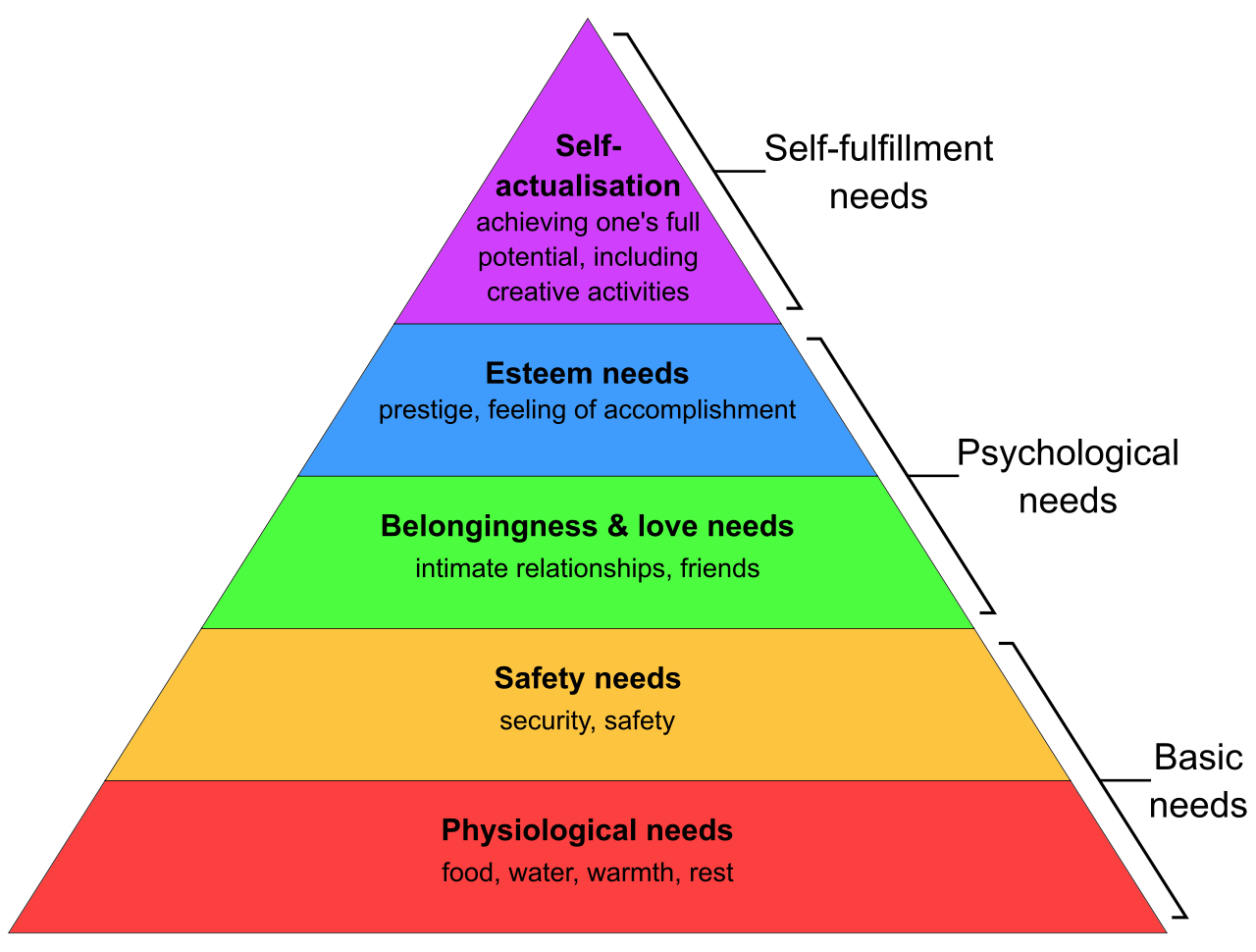
This distinction is crucial when considering personal fulfillment. According to Maslow’s hierarchy of needs, individuals strive not only for basic necessities like food and shelter but also for higher-level aspirations such as creativity and self-actualization. In a transaction-based economy, individuals can pursue their interests and make choices that align with their personal goals rather than being bound by organizational constraints.
Historically, artisans and craftsmen derived satisfaction from seeing the entire production process from start to finish. The industrial revolution disrupted this by introducing assembly-line work, where laborers performed repetitive tasks without direct ownership over the final product. This shift led to a decline in job satisfaction, highlighting the importance of autonomy in economic participation.
The Balance Between Market Coordination and Hierarchical Coordination
While market-based transactions offer flexibility and autonomy, hierarchical organizations provide efficiency, particularly in complex environments. A hierarchical system centralizes decision-making, reducing uncertainty and streamlining operations. However, in situations requiring dynamic adaptation and decentralized knowledge, strict command-and-control structures may become inefficient.
When uncertainty is low, hierarchical coordination can be highly effective. A single decision-maker can oversee planning, reducing complexity and ensuring consistency. However, in uncertain environments, lateral information flows become essential—departments or individuals must share information across the hierarchy. Rigid command structures struggle to accommodate this need, making transactional coordination through the market system a more viable alternative.
Transaction economics argues that individuals naturally prefer market-based coordination over hierarchical structures whenever feasible. Market transactions allow for greater personal freedom, adaptability, and responsiveness to individual needs. Hierarchical systems, while efficient in certain contexts, impose constraints that may limit personal autonomy and satisfaction.
Thus, the challenge lies in striking the right balance between these two forms of coordination. While some tasks necessitate centralized control, many objectives can be achieved more effectively through market-driven transactions. Understanding the strengths and limitations of both systems enables societies to optimize economic structures, ensuring that individuals retain agency while benefiting from organizational efficiency.
Market Systems (Williamson 1975)
In a market system, individuals primarily produce goods and services for themselves. This often leads to a higher level of efficiency in task execution. When people work for their own benefit, they tend to complete tasks quickly and effectively, minimizing wasted time.
Example
For instance, consider the simple task of cleaning a one-bedroom apartment in Milan. A young student might complete the cleaning in just 30 minutes, perhaps even faster if they are motivated by external factors such as an unexpected free morning. However, if a professional cleaner is hired, the task may take significantly longer—often two hours or more.
The difference in efficiency arises from incentives. When an individual cleans their own home, they are personally motivated to finish quickly so they can move on to other, more enjoyable activities. A hired worker, on the other hand, has no direct personal stake in completing the job as swiftly as possible. Their compensation is not necessarily tied to speed but rather to fulfilling the job under the employer’s supervision, which often leads to a slower, more methodical approach.
This principle extends beyond household chores to broader economic and organizational contexts. When individuals work within market-driven systems, they operate with higher efficiency because their personal objectives align with their work. In contrast, hierarchical organizations, where employees perform delegated tasks under supervision, often experience inefficiencies due to misaligned incentives.
The Costs of Market Coordination: Work vs. Transactions
While the market system fosters efficiency in performing tasks, it also involves the execution of transactions, which introduces additional costs. A farmer, for example, may be highly efficient in producing wheat, but they must also spend time and resources selling their crop.
Definition
This additional burden (finding buyers, negotiating terms, and completing sales) constitutes what economists call transaction costs. These costs include the time and effort spent on activities such as finding suppliers, negotiating agreements, and ensuring compliance with contracts.
In contrast, hierarchical organizations eliminate many transaction costs by coordinating internally. Instead of negotiating individual transactions, organizations distribute tasks among employees according to pre-established roles. However, this internal coordination also comes with its own costs, primarily due to the inefficiencies of bureaucratic decision-making and oversight.
Thus, a key question in economic organization is whether it is more efficient to operate through the market or within a hierarchy. The decision depends on the relative costs of executing work versus coordinating transactions. If transaction costs in the market are too high, a hierarchical system may be preferable. Conversely, when market-based coordination is more cost-effective, it becomes the dominant method.
Economic Transactions and Their Phases

Economic transactions are fundamental to the functioning of market systems, serving as the backbone of trade and commerce.
Phases
According to transaction cost economics, four main phases define a transaction:
- Matchmaking (Identifying Needs and Suppliers)
- Negotiation (Selecting the Best Offer)
- Execution (Exchange of Goods, Services, or Payments)
- Post-Settlement (Handling Issues and Disputes)
Each phase plays a critical role in ensuring the successful completion of a transaction, and the complexity of these phases can vary based on the type of good or service being exchanged. The complexity of these phases varies depending on the nature of the transaction. While buying a simple commodity like toothpaste is straightforward, acquiring a house, signing a corporate deal, or negotiating a labor contract involves a much lengthier and more intricate process.
Matchmaking: Identifying Potential Partners
The first phase of an economic transaction is matchmaking, where individuals or organizations identify potential suppliers or partners who can fulfill their needs. This phase begins when a party recognizes a requirement, such as the need to purchase a product or service.
Example
For example, a consumer looking to buy toothpaste might consider several options, such as local supermarkets, convenience stores, or online retailers.
The goal of this phase is to compile a list of potential suppliers who can meet the buyer's requirements.
In more complex transactions, such as sourcing specialized machinery for a manufacturing plant, the matchmaking process may involve extensive research, including evaluating supplier reputations, capabilities, and past performance. The output of this phase is a shortlist of potential suppliers who are deemed capable of fulfilling the buyer’s needs.
Negotiation: Defining Terms and Conditions
Once potential suppliers have been identified, the next phase is negotiation. During this stage, the buyer and supplier discuss the terms of the transaction, including price, quality, delivery timelines, and other relevant factors.
Example
For instance, a business purchasing raw materials may negotiate bulk discounts or specific delivery schedules to align with production timelines. In more complex transactions, such as signing a contract for internet connectivity services, the negotiation phase may involve detailed discussions about service level agreements (SLAs), which outline the expected performance standards and remedies for failures.
The outcome of this phase is typically a formal contract that codifies the agreed-upon terms, ensuring both parties have a clear understanding of their obligations. In simpler transactions, such as buying toothpaste, formal contracts may not be necessary, and the negotiation phase may be as brief as comparing prices on a shelf.
Execution: Completing the Exchange
The execution phase involves the actual exchange of goods or services for payment. This phase can range from a quick, one-time transaction, such as purchasing toothpaste at a supermarket, to a prolonged exchange, such as subscribing to a year-long internet service with monthly payments. During execution, the buyer provides payment, and the supplier delivers the agreed-upon product or service. The efficiency of this phase often depends on the clarity of the terms established during negotiation.
Example
For example, a well-defined contract for internet services ensures that the provider delivers consistent connectivity, while the buyer fulfills their payment obligations on time. In simpler transactions, execution is often instantaneous, such as swiping a credit card to pay for a coffee.
Post-Settlement: Handling Exceptions and Issues
The final phase, post-settlement, addresses any issues or exceptions that arise after the transaction has been completed.
This phase is crucial for maintaining trust and ensuring long-term satisfaction between the parties.
Example
For example, if a consumer discovers a defect in a pair of trousers purchased from a store, they may return the item and request a replacement or refund. Similarly, if an internet service provider fails to deliver the promised connectivity, the buyer may contact customer support to resolve the issue.
Post-settlement activities often involve troubleshooting, dispute resolution, and, in some cases, legal action if the terms of the contract are not upheld. This phase ensures that any deviations from the agreed-upon terms are addressed, thereby preserving the integrity of the transaction.
Trust in Market Systems
A fundamental requirement for the smooth functioning of market systems is trust. Consumers and businesses rely on the expectation that suppliers will provide quality goods and services as promised. Trust influences decision-making, particularly when consumers assess the price and quality of products.
Example: Purchasing Toothpaste (Simple Consumer Transaction)
- Matchmaking: A consumer needs to buy toothpaste and identifies several potential suppliers, such as a local supermarket, a pharmacy, or an online retailer. They compare options based on convenience, price, and brand reputation.
- Negotiation: In this case, negotiation is minimal. The consumer compares prices on the shelf and selects a trusted brand that is on sale. No formal contract is required, as the transaction is straightforward.
- Execution: The consumer swipes their credit card at the checkout counter, pays for the toothpaste, and takes it home. The exchange is instantaneous and requires no further interaction.
- Post-Settlement: If the consumer discovers that the toothpaste is defective (e.g., the tube is damaged or the product is expired), they may return to the store to request a refund or replacement. The store’s return policy governs this process, ensuring the consumer’s satisfaction.
Example: Outsourcing IT Services (Complex Organizational Transaction)
- Matchmaking: A company decides to outsource its IT support services to reduce costs. They identify potential vendors through industry referrals, online research, and requests for proposals (RFPs).
- Negotiation: The company negotiates with the selected vendor to define the scope of services, performance metrics, pricing, and contract duration. They also establish SLAs to ensure the vendor meets specific performance standards.
- Execution: The vendor begins providing IT support services, such as troubleshooting, system maintenance, and cybersecurity monitoring. The company pays the vendor according to the agreed terms, often on a monthly or quarterly basis.
- Post-Settlement: If the vendor fails to meet the agreed-upon performance standards (e.g., slow response times or unresolved issues), the company may invoke penalties or terminate the contract. They may also work with the vendor to improve performance or renegotiate the terms.
Trust also plays a significant role in marketing strategies. Companies often create perceived risks around competing products to influence consumer choices. A notable example is the debate around palm oil in food products. Some brands market themselves as “palm oil-free,” creating a perception that alternatives containing palm oil are harmful, even when scientific consensus may not fully support such claims. These marketing tactics leverage fear and uncertainty to shift consumer preferences, demonstrating how trust (or the lack of it) can be engineered within market systems.
The Purchase of Consumer Goods in Market Economics
The study of market transactions often begins with the simplest form of exchange: the purchase of consumer goods. At first glance, these transactions appear straightforward—consumers search for products, compare prices, and make purchasing decisions based primarily on cost and availability. However, this simplification overlooks the underlying economic structures that govern these transactions. One key aspect often omitted in introductory discussions is that the theoretical framework used to analyze consumer goods transactions is based on an idealized economic model—one that assumes nearly perfect market conditions.
Definition
In economic theory, perfect markets are characterized by conditions such as perfect competition, complete information, and the absence of transaction costs.
However, these conditions do not exist in reality. The real-world market is subject to inefficiencies, distortions, and barriers that prevent perfect competition from occurring. Despite this, the concept of a perfect market serves as a useful abstraction in macroeconomic and microeconomic modeling. By assuming idealized conditions, economists can develop mathematical models that offer analytical solutions, allowing for a clearer understanding of the relationships between supply, demand, price, and competition.
One of the fundamental requirements of a perfectly competitive market is the presence of multiple suppliers. In a market with many suppliers, competition naturally regulates prices, ensuring that they remain aligned with the actual value of the goods being sold. This is in stark contrast to monopolistic or oligopolistic markets, where a single supplier or a small group of suppliers can manipulate prices due to the lack of competitive pressure. When a single producer dominates a market, they can unilaterally set prices at levels that exceed the intrinsic value of the product, leading to consumer dissatisfaction and potential economic inefficiencies.
The concept of competitive pricing can be illustrated through the example of a common consumer good such as toothpaste.
Example
The production of toothpaste is relatively simple, meaning that numerous companies have the capability to manufacture it. In a competitive market, this abundance of suppliers ensures that prices remain stable, as any attempt to increase prices beyond a certain threshold would result in consumers switching to alternative brands. However, if only one company controlled toothpaste production, prices would likely be significantly higher, as consumers would have no alternative sources from which to purchase the product.
Beyond supplier competition, another factor influencing price formation is consumer trust in the market mechanism. Consumers tend to gravitate toward prices that reflect an equilibrium between affordability and quality. If a product is priced too low, it may signal inferior quality, while excessively high prices may deter purchases due to perceived overvaluation. This phenomenon is closely tied to Adam Smith’s concept of the “invisible hand,” wherein market forces naturally guide the allocation of resources and pricing decisions based on supply and demand dynamics.
However, even in competitive markets, prices do not always reflect the lowest possible cost to the consumer. This is due to additional factors such as marketing and advertising expenses. The presence of marketing significantly influences consumer perception and product differentiation, yet it also adds a substantial cost component to the final price of goods. For instance, when a company invests heavily in advertising campaigns to promote a toothpaste brand, the cost of these promotional activities is ultimately transferred to consumers through higher prices. If marketing expenditures could be eliminated, the price of goods would be closer to their actual production cost, bringing the market closer to an ideal competitive state.
The Purchase of a Luxury Good
The case of luxury goods provides an excellent example of how market imperfections, consumer psychology, and marketing strategies converge to shape purchasing behavior.
One of the fundamental principles of economics is that when a good is scarce, its price tends to rise. This is because scarcity limits availability, increasing competition among buyers. However, not all scarcity is natural; in many cases, it is artificially created through monopolistic practices.
A classic example is the diamond market
While diamonds are not inherently rare on Earth, a small group of producers have historically controlled supply to create the illusion of scarcity. By restricting the flow of diamonds into the market, they maintain high prices. Furthermore, advertising campaigns, such as the famous “A Diamond is Forever” slogan, reinforce the perception that diamonds are rare, precious, and indispensable.
Many luxury brands carefully manage supply, ensuring that their products remain exclusive. Limited edition releases, controlled distribution networks, and high pricing are all tools used to maintain a perception of rarity and exclusivity.
In perfectly competitive markets, transaction costs are minimal. However, when it comes to luxury goods, the transaction process becomes more complex. The decision to purchase a high-end product is rarely based solely on functional necessity. Instead, it involves subjective factors such as brand perception, social status, and personal satisfaction. These elements introduce additional transaction costs, including time spent selecting the product, the emotional investment in the purchasing experience, and the added costs of marketing, customer service, and brand positioning.
Unlike essential consumer goods, luxury goods cater to desires beyond basic needs.
Example
Consider a cashmere sweater: while it offers comfort, warmth, and softness, its high price is not justified solely by its functionality. A standard wool sweater or even a synthetic fiber alternative could serve the same purpose at a fraction of the cost.
Why, then, do consumers choose to buy cashmere? The answer lies in the psychological and social factors that drive luxury purchases. Luxury goods fulfill deeper needs, such as the desire for self-expression, confidence, and social recognition. They provide an opportunity to align with a particular lifestyle, signaling status and taste.
Luxury purchases also serve as a form of entertainment and emotional gratification. The process of selecting and acquiring a luxury item is an experience in itself—one that momentarily distracts from daily responsibilities and provides a sense of enjoyment. This is why high-end brands emphasize customer experience, ensuring that the act of purchasing is as pleasurable as owning the product itself. Consumers do not inherently need luxury goods; rather, marketing plays a crucial role in shaping perceptions and desires. Luxury brands appeal to consumers’ latent needs for creativity, pleasure, and exclusivity, transforming abstract desires into concrete products.
This process aligns with Maslow’s hierarchy of needs: while basic needs such as food and shelter are fundamental, higher-level needs—such as self-actualization and esteem—drive the demand for luxury goods. Effective marketing taps into these psychological factors, creating an emotional connection between the consumer and the brand.
A strong marketing strategy ensures that consumers not only desire a product but also develop a perceived necessity for it. Through storytelling, branding, and cultural associations, luxury brands embed their products within the consumer’s aspirations and identity.
The Transaction Process for Luxury Goods

Purchasing a luxury item involves a more intricate decision-making process compared to standard consumer goods. The choice of where to shop is an essential factor. Buyers often associate their purchase with an immersive experience, which includes strolling through exclusive shopping districts and engaging with well-trained sales associates. Luxury stores distinguish themselves by providing superior customer service. Unlike mass-market retailers, these establishments focus on offering a personalized experience. Customers are treated with the utmost respect and are guided through the selection process by knowledgeable staff who help refine their preferences.
Additionally, luxury transactions emphasize security and exclusivity. Payment methods must be seamless and secure, and many brands offer bespoke services such as home delivery, custom tailoring, and post-purchase care. High-end consumers expect not only a premium product but also an unmatched level of service.
After purchasing a luxury item, customers anticipate a continued relationship with the brand. If a product is found to have a defect, high-end retailers must ensure a smooth and effortless replacement or repair process. This commitment to service reinforces customer loyalty and enhances brand prestige. A well-handled issue can even serve as an opportunity to strengthen customer satisfaction. Just as a top-tier restaurant promptly replaces an unsatisfactory bottle of wine without hesitation, luxury brands must prioritize customer care. Ensuring a flawless experience at every stage of ownership is vital for maintaining a brand’s reputation in the high-end market.
The Price System
The price system plays a fundamental role in market coordination, acting as the primary information mechanism through which consumers and producers make decisions. In a perfectly competitive market, price is the sole decision variable, meaning that all purchasing choices are dictated by price alone. Under such ideal conditions, the price of a good reflects the balance between supply and demand, ensuring that market transactions occur efficiently. However, real-world markets rarely function under perfect competition, and price is often influenced by additional factors such as branding, service quality, and strategic pricing mechanisms.
To better understand how the price system operates in different market conditions, consider the case of e-commerce platforms such as Amazon. When consumers search for a product on Amazon, they may not always have a clear reference for what constitutes an average or fair price. To guide purchasing decisions, Amazon employs pricing algorithms that prioritize products within a specific price range. Typically, the platform highlights products labeled as “Amazon’s Choice,” which are strategically priced slightly above the lowest available price but still positioned within an attractive mid-range. This technique is designed to make consumers perceive the selected product as a cost-effective option while simultaneously avoiding the psychological skepticism associated with extremely low prices.
Amazon, however, does not operate under conditions of perfect competition. Instead, it functions within a quasi-monopolistic framework, where it influences pricing through its vast logistics and fulfillment network. Unlike traditional marketplaces where consumers can directly compare all available options, Amazon curates product visibility, influencing purchasing behavior through recommendations and promotional strategies. While lower-priced alternatives may exist (such as products found on independent online retailers or Chinese marketplaces) the added value of Amazon’s services, including fast shipping and reliable return policies, justifies the price premium.
Furthermore, Amazon’s pricing strategy incorporates factors beyond the base product cost. For non-Prime users, additional shipping fees may be applied to lower-priced items, making mid-range products with “free shipping” appear more appealing. Conversely, Amazon Prime subscribers are restricted to purchasing Prime-eligible products, which, while offering logistical benefits, limit consumer access to potentially cheaper alternatives outside the Prime ecosystem. This strategy effectively integrates pricing into a broader service model, demonstrating how modern digital marketplaces use price as just one component of a complex decision-making process.
Causes of Market System Failures
Market systems can fail due to several factors that prevent them from functioning under the ideal conditions of perfect competition. While these conditions, when satisfied, create an efficient market, their violation leads to inefficiencies, distortions, and suboptimal economic outcomes. Among the key causes of market failure, one significant aspect is the complexity of goods and services, particularly in sectors like information technology.
Complexity and Asymmetry of Information
In markets where products are highly complex, consumers often lack the necessary knowledge to accurately assess their quality and value. This asymmetry of information creates an imbalance between buyers and sellers, leading to inefficiencies in pricing and decision-making. This issue is particularly evident in the IT sector, where software and technological services require specialized knowledge. For instance, when purchasing a custom software solution, the buyer often has limited understanding of the effort required to develop the product. As a result, software pricing is typically based on estimates that consider development time and market rates. However, developers frequently underestimate the actual effort due to optimism bias. To mitigate this risk, professionals include contingency buffers in their cost estimates.
Example
For example, if a developer estimates a project will take ten days and the daily market rate is 300€, they may initially set the price at 3,000€. Over time, realizing that projects often exceed initial estimates due to customization requests and unforeseen complexities, they may double their time estimate and add additional contingency fees, increasing the final price significantly.
Furthermore, software development incurs structured costs such as infrastructure, administrative expenses, and licensing fees. These fixed costs contribute to the overall price, and as businesses gain experience, they adjust contingency pricing based on client behavior. Difficult clients, who require frequent modifications and additional features, often face higher prices.
Market Power and Lock-In Effects
Another major cause of market failure is the existence of monopolies and oligopolies that dominate an industry. Companies with significant market power, such as Microsoft, leverage their brand reputation and established customer base to maintain high prices.
Example
For example, Microsoft Office has become the industry standard, not necessarily because it is the best product, but due to widespread adoption and compatibility requirements. Despite alternative solutions like LibreOffice or Google Docs, users remain locked into Microsoft’s ecosystem because switching entails high transaction costs, such as learning new software and ensuring compatibility with existing documents.
This form of market dominance is reinforced by network effects, where the value of a product increases as more people use it. Companies invest heavily in marketing to maintain their market position, creating barriers to entry for competitors. As a result, the market operates far from the ideal conditions of perfect competition, where multiple firms should provide comparable products at competitive prices.
The Make-or-Buy Dilemma and Transaction Costs
In economic theory, companies face the decision of whether to produce a good or service in-house (“make”) or procure it from the market (“buy”). This decision is influenced by transaction costs, which include search costs, negotiation costs, and enforcement costs. If transaction costs are too high, firms may opt to internalize production rather than relying on external suppliers.
Example
For instance, if a company requires specialized software and finds that outsourcing is prohibitively expensive due to monopolistic pricing or inefficiencies in contract management, it may choose to build its own IT department.
This shift from market transactions to hierarchical structures (such as firms) occurs when the costs of market exchange outweigh the costs of in-house production. Historically, this has driven companies to adopt vertically integrated structures to reduce dependency on external suppliers.
The Impact of Information Theory on Market Systems and Hierarchies
Information technology plays a dual role in economic systems: it is both a production technology and a coordination technology. Unlike traditional manufacturing technologies that enhance productivity by automating processes, IT also improves decision-making and operational coordination. By reducing transaction costs, IT enables firms to outsource more efficiently, as digital platforms streamline procurement, contract management, and supply chain coordination.
Example
For example, cloud computing and software-as-a-service (SaaS) models allow businesses to access advanced IT solutions without significant upfront investment.
Digital platforms also reduce information asymmetry by providing transparent pricing, customer reviews, and performance analytics, making it easier for buyers to assess the quality of services. Additionally, IT fosters the development of decentralized markets, where firms can engage in peer-to-peer transactions rather than relying on traditional corporate hierarchies. Technologies such as blockchain and smart contracts further reduce the need for intermediaries, ensuring secure and verifiable transactions.
Balancing Markets and Hierarchies
Market systems and hierarchical structures represent two primary mechanisms for organizing economic activity. Traditional economic theories suggest that businesses must decide between these two structures based on cost-efficiency and coordination effectiveness. The introduction of new technologies significantly impacts both production costs and coordination costs, leading to shifts in how businesses structure themselves.
The key question is: Where does technology have the most significant cost-reducing effect? According to transaction cost economics, the greatest opportunity for cost reduction exists within market systems rather than hierarchical organizations. This is because market-based systems inherently have higher coordination costs than hierarchies, where internal processes streamline decision-making and control.
If a technological advancement significantly reduces coordination costs, the effect will be more pronounced in market-based systems. To illustrate, a 20% cost reduction in a system with inherently higher costs will have a greater absolute impact than a 10% cost reduction in a system with lower base costs. This suggests that information technology (IT) should favor the development of market systems, leading to a world with more decentralized, smaller organizations engaging in frequent transactions rather than large hierarchical structures dominating the market.
The Theoretical Prediction: Smaller, More Competitive Firms
Economists who subscribe to transaction cost economics predicted that
IT would lead to smaller, more agile firms, fostering a more competitive environment.
The reasoning behind this prediction was simple: as IT reduces coordination costs, companies could outsource more tasks rather than keeping everything in-house. This would result in fewer large hierarchies and an increase in market transactions between specialized players.
This perspective suggests a future where firms “buy” more than they “make.” Instead of growing into massive corporations, companies would remain relatively small, leveraging digital communication and automation to collaborate with numerous other firms. Decentralization would drive competition, efficiency, and ultimately consumer benefits.
The Reality: Increasing Consolidation Instead of Decentralization
Contrary to this optimistic prediction, reality has shown a different trend. Rather than fostering decentralization, IT has contributed to the growth of larger and more dominant organizations. Over time, major companies have leveraged IT not just to reduce costs but also to centralize control and expand their market power. In mature industries, we have seen consolidation rather than fragmentation, with fewer, but larger, dominant players.
Example
For example, tech giants like Amazon, Google, and Apple have used IT to strengthen their dominance rather than breaking into smaller units. Instead of many smaller firms operating in a competitive market, we have seen mega-corporations scaling globally, using IT to enhance efficiency and maintain control over extensive operations.