Consulting Path
The consulting career path is a dynamic and multifaceted journey that evolves from technical expertise to leadership and strategic roles. This progression is akin to the development of an athlete, where initial specialization in a specific skill set gradually expands to encompass broader competencies and responsibilities. In the consulting world, this path often begins with a focus on technical skills, such as data engineering or cloud architecture, and progresses to roles that involve team management, client engagement, and strategic decision-making.
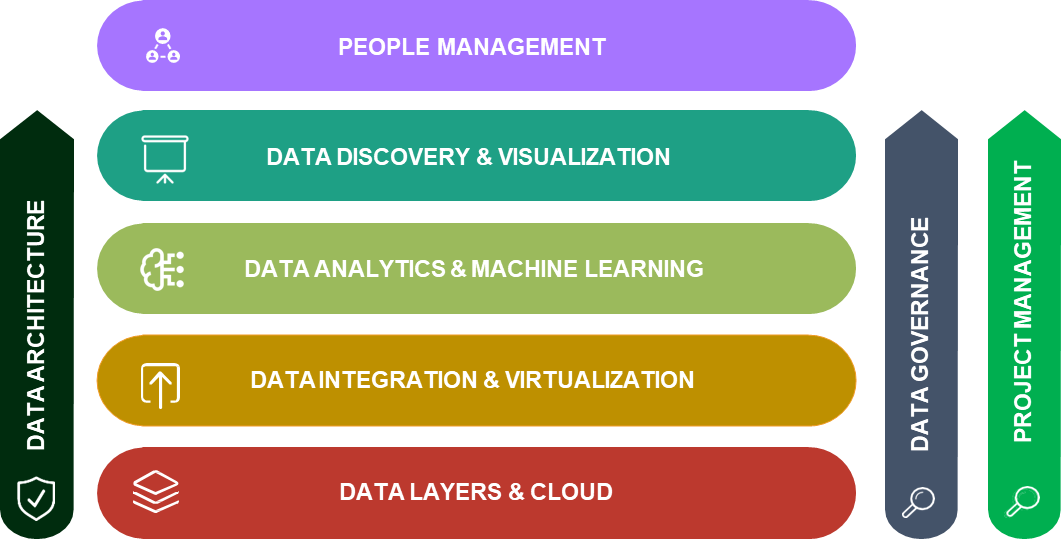
Starting as a Specialist
The consulting career typically begins with a strong foundation in technical expertise. A consultant begins by developing deep knowledge in a specific area, such as cloud computing, data analytics, or machine learning. At this stage, the focus is on honing technical skills and gaining hands-on experience with tools and technologies.
This phase is critical for building credibility and establishing a reputation as a subject matter expert. Consultants at this level are often tasked with implementing solutions, troubleshooting technical issues, and supporting senior team members. They may also work on specific projects, such as building data pipelines or developing machine learning models, under the guidance of more experienced colleagues.
The goal is to develop a strong technical foundation that will serve as the basis for future growth.
Becoming a Versatile Professional
As consultants gain experience, they are encouraged to broaden their skill sets and explore new areas of expertise. In the consulting world, this means moving beyond a single technology or domain and developing proficiency in related areas. For instance, a consultant who initially specializes in AWS might expand their knowledge to include Google Cloud Platform (GCP) or Microsoft Azure, as well as tools like DBT (Data Build Tool) for data transformation.
This phase requires a willingness to learn and adapt, as consultants must navigate the complexities of different technologies and architectures. They may also take on more diverse projects, such as designing multi-cloud solutions or integrating data from disparate sources. By expanding their skill sets, consultants become more versatile and valuable to their organizations, enabling them to tackle a wider range of challenges and deliver more comprehensive solutions to clients.
Transitioning to Leadership
The next stage in the consulting career path involves a shift from individual contribution to leadership. Consultants who excel in their technical roles often move into positions where they manage teams, oversee projects, and interact directly with clients.
In this role, consultants are responsible for guiding their teams, setting project goals, and ensuring that deliverables meet client expectations. They must also navigate the complexities of team dynamics, balancing the strengths and weaknesses of individual members to achieve optimal results. For example, a consultant leading a data migration project might coordinate the efforts of data engineers, analysts, and cloud architects, ensuring that each team member contributes effectively to the project’s success.
Leadership in consulting also requires strong communication and interpersonal skills. Consultants must be able to articulate complex technical concepts to non-technical stakeholders, build trust with clients, and foster collaboration within their teams. This phase of the career path is both challenging and rewarding, as it involves not only technical expertise but also the ability to inspire and motivate others.
Reaching the Top - Partner
At the highest levels of the consulting career path, professionals take on strategic roles that involve shaping the direction of the organization and driving long-term growth. This stage is comparable to becoming a partner in a consulting firm, where individuals are responsible for business development, client relationships, and organizational strategy. Consultants at this level leverage their technical expertise and leadership experience to identify new opportunities, develop innovative solutions, and build lasting partnerships with clients.
For example, a partner in a consulting firm might work with C-level executives to design a data strategy that aligns with the organization’s business goals. They could also play a key role in expanding the firm’s offerings, such as by introducing new services in emerging areas like generative AI or edge computing. At this stage, the focus shifts from day-to-day project management to high-level decision-making and thought leadership.
Stages of Growth in a Consulting Career
The growth trajectory in a consulting career follows a structured path, with professionals gradually assuming more responsibilities as they develop expertise and leadership capabilities. The evolution from an entry-level analyst to a senior partner involves mastering analytical skills, client management, strategic thinking, and business development. Each stage represents a significant shift in role expectations, technical competencies, and leadership influence.

Each phase of the consulting career path requires the acquisition of new technical and strategic skills. At the foundational levels, consultants must be proficient in data analysis techniques, statistical modeling, and financial forecasting. As they progress, they develop expertise in project management methodologies, business strategy frameworks, and client engagement best practices. In senior roles, the emphasis shifts toward strategic leadership, organizational change management, and corporate governance.
Consultant/Analyst
At the foundational stage of a consulting career, professionals take on the role of consultant or analyst. Their primary responsibility is to conduct research, analyze complex datasets, and generate insights that contribute to client recommendations. This stage requires proficiency in using statistical models, financial forecasting techniques, and industry-specific analytical frameworks. Analysts work closely with senior consultants, assisting in market research, competitive analysis, and problem-solving exercises.
Given the technical nature of this role, analysts must develop expertise in data visualization tools, spreadsheet modeling, and business intelligence platforms to derive meaningful insights. Effective communication is also critical, as consultants are expected to present their findings in a structured and concise manner. This stage serves as the foundation for analytical thinking and problem-solving, both of which are essential for future growth within the consulting field.
Senior Consultant/Associate
With increased experience, consultants transition to the role of senior consultant or associate, where they begin taking ownership of specific project components. At this stage, professionals not only perform analytical work but also engage in more advanced problem-solving and strategic planning. They develop expertise in a particular industry—such as financial services, healthcare, or technology—and refine their ability to translate raw data into business insights.
Senior consultants frequently interact with clients, requiring them to deliver well-structured presentations, justify recommendations, and adapt solutions to client needs. Their responsibilities also include refining analytical models, guiding junior analysts, and collaborating with teams to implement strategic recommendations. As their technical acumen grows, they gain exposure to predictive modeling, process automation, and operational efficiency optimization. The ability to synthesize data-driven insights into actionable business strategies becomes increasingly vital.
Manager
Upon reaching the managerial level, consultants shift their focus toward leading project teams and overseeing entire client engagements. Their role extends beyond technical analysis, encompassing project management, resource allocation, and stakeholder communication. Managers serve as the primary interface between consulting teams and client executives, ensuring that project deliverables align with overarching business goals.
Project execution at this level involves financial oversight, risk assessment, and performance tracking. Managers must possess strong negotiation skills to navigate client expectations and drive consensus on critical business decisions. Additionally, they begin contributing to business development by identifying new opportunities, drafting proposals, and establishing long-term client relationships. The ability to manage multidisciplinary teams and align consulting efforts with client objectives is a defining characteristic of successful managers.
Senior Manager
As consultants progress to the senior manager role, they assume strategic oversight of multiple projects and play a pivotal role in expanding the firm’s market presence. Their responsibilities shift from project execution to business growth and organizational leadership. Senior managers are tasked with developing new service offerings, mentoring junior consultants, and contributing to high-level firm decisions.
At this stage, expertise in industry trends, regulatory developments, and emerging technologies becomes critical. Senior managers leverage their knowledge to shape client strategies, drive organizational change, and create innovative solutions. Business development becomes a key focus, requiring strong networking abilities, thought leadership, and an in-depth understanding of market dynamics. The ability to think strategically and influence decision-making at the highest levels is essential for advancing further in the consulting hierarchy.
Partner
The partner position represents the pinnacle of a consulting career. Partners are responsible for defining the firm’s strategic direction, managing high-profile client relationships, and ensuring long-term business sustainability. Their role encompasses corporate strategy formulation, revenue growth initiatives, and thought leadership in their respective industries. They oversee the firm’s financial performance, allocate resources effectively, and drive innovation to maintain a competitive edge. Leadership skills, vision, and the ability to anticipate industry shifts are crucial for excelling in this role.
At the partner level, consulting professionals not only shape client businesses but also influence the broader economic and industry landscape. Their strategic decisions impact both their consulting firm and the clients they serve, making this stage the most demanding yet rewarding phase of a consulting career.
Ways of Working in Consulting
In consulting, different contract models define how services are delivered and compensated. The choice of a contract structure significantly impacts project execution, cost estimation, and flexibility in adapting to changing requirements. Three primary ways of working in consulting include Time & Material, Turnkey, and Service models. Each model has distinct characteristics, advantages, and challenges, making them suitable for specific project types and business needs.
Choosing the Right Consulting Model
Selecting the appropriate contract model depends on the nature of the project, budget considerations, required flexibility, and level of client involvement.
- Time & Material is most effective for projects with evolving requirements, where flexibility is a priority.
- Turnkey is suitable for well-defined projects that require a complete solution without ongoing client intervention.
- Service contracts work best for businesses needing long-term expertise or continuous support rather than a single deliverable.
Model Description Advantages Challenges T&M Client pays based on actual time and resources used. Flexibility to adapt to changing requirements. Difficult to predict final budget. Turnkey Provider delivers a complete solution within an agreed timeline and budget. Predictable costs and timelines. Reduced flexibility; changes can be costly. Service Ongoing support and expertise without committing to a specific deliverable. Continuous access to specialized skills without hiring full-time employees. Scope of services must be well-defined to prevent misunderstandings.
Time & Material
Definition
The Time & Material (T&M) model is a contract structure where the client pays based on the actual time spent by consultants and the materials or resources used during project execution. Typically, an hourly or daily rate is agreed upon, ensuring that the client compensates for work as it progresses.
This model is highly beneficial for projects where the requirements are not entirely clear at the outset or are expected to evolve over time. It allows for greater flexibility, enabling changes and refinements throughout the development process. However, this adaptability comes with challenges, primarily in cost estimation. Since the total expense depends on the time invested, it can be difficult to predict the final budget with certainty. Effective project tracking and regular communication are essential to maintaining financial control.
Example
A company is developing a custom software application, but the exact functionalities and design elements are expected to evolve based on user feedback and business needs. The T&M model is ideal as it provides the flexibility to adjust requirements and scope throughout the development cycle.
Turnkey
Definition
The Turnkey contract model is designed for projects where the client requires a complete, end-to-end solution without actively managing the development process. Under this model, the consulting provider assumes full responsibility for delivering a fully functional product or service within an agreed timeline and budget.
A major advantage of the Turnkey approach is its predictability in terms of cost and schedule. Since the provider commits to delivering the entire solution, the client benefits from clarity on expenses and minimal involvement in daily project management. However, the trade-off for this convenience is reduced flexibility—once the project scope is defined, making changes can be costly and complex. Additionally, providers often factor in risk margins when pricing the contract, potentially leading to higher costs compared to other models.
Example
A retail company needs a new e-commerce platform and wants an external provider to handle the entire process, from design to implementation. In this case, the Turnkey model is the best choice, as it ensures that the company receives a fully operational website without having to oversee the development details.
Service Model
Definition
The Service contract model focuses on providing consulting expertise and technical skills without committing to a specific project deliverable. Instead of developing a single product, the consulting firm offers ongoing support, advisory services, or specialized expertise based on an agreed service level.
This model is highly beneficial for organizations that require continuous consultation, maintenance, or expert assistance in a particular domain. It allows businesses to access specialized skills without hiring full-time employees or managing entire projects. However, the scope of services needs to be well-defined to prevent misunderstandings regarding what is included in the contract. The Service model may not be suitable for projects with a clear, one-time deliverable, as it focuses more on long-term collaboration rather than project execution.
Example
A company requires continuous IT support for system maintenance, updates, and security enhancements but does not need a specific software or platform to be built. In this scenario, a Service contract ensures that the company receives ongoing technical assistance without engaging in a full-fledged development project.
Key Performance Indicators (KPI)
Key Performance Indicators (KPIs) are essential metrics used to evaluate the financial health, efficiency, and overall performance of a consulting firm. These indicators help organizations track their revenue streams, profitability, cost structure, and workforce allocation, enabling data-driven decision-making.
Technical Considerations for KPI Optimization
To improve financial performance and operational efficiency, consulting firms should leverage data-driven decision-making by:
- Implementing financial forecasting models to predict revenue fluctuations and optimize pricing strategies.
- Using cost-tracking software to analyze spending patterns and reduce unnecessary expenses.
- Applying workforce analytics tools to monitor staff allocation and enhance project assignment efficiency.
- Continuously refining operational workflows to minimize cost overruns and improve service delivery efficiency.
Revenue
Definition
Revenue represents the total income generated by a consulting firm from its services before deducting any expenses.
It serves as a fundamental indicator of the company’s financial health and growth potential. For consulting firms, revenue typically arises from various sources, including client contracts, project fees, and long-term service agreements. The ability to maintain consistent revenue growth is a direct reflection of the firm’s market positioning, client acquisition strategies, and the demand for its consulting services.
Since revenue is a top-line metric, it does not account for the operational costs associated with delivering consulting services. A firm generating high revenue but struggling with excessive operational costs may still experience reduced profitability. Therefore, revenue should always be analyzed alongside other financial metrics to gain a comprehensive understanding of the firm’s financial performance.
Earnings Before Tax (EBT)
Definition
Earnings Before Tax (EBT) is a critical profitability metric that measures a company’s earnings before accounting for income tax expenses. It provides insight into how much profit a firm generates from its core operations, excluding the impact of taxation policies.
EBT is derived from total revenue after deducting operating expenses, interest payments, and any other costs, except for taxes. This metric is valuable because it isolates the firm’s operational efficiency from external factors such as corporate tax rates, allowing for better comparisons across different companies and industries. Consulting firms can use EBT to assess their financial sustainability, operational cost structure, and pricing strategies to ensure long-term profitability.
Project Cost on Revenue (C/R)
Definition
The Project Cost on Revenue (
) ratio is a financial metric that quantifies the percentage of revenue consumed by the costs associated with delivering consulting services. It is calculated as:
This ratio provides insight into how efficiently a consulting firm manages its operational expenses. Project costs typically include salaries of consultants, software licensing fees, travel expenses, and any other direct costs incurred while executing client projects.
- higher
ratio suggests that a significant portion of the revenue is being spent on service delivery, which may indicate inefficiencies, pricing challenges, or excessive operational costs. - lower
ratio implies better cost control and higher profitability.
Monitoring this ratio over time allows consulting firms to identify trends in cost structures, make necessary pricing adjustments, and optimize resource allocation to enhance financial performance.
Team Unallocation
Team unallocation refers to the proportion of consulting staff who are not directly assigned to revenue-generating projects. In a consulting firm, workforce utilization is a key determinant of profitability, as consultants’ billable hours contribute directly to revenue generation.
Unallocated staff may include employees in training, those waiting for project assignments, or personnel engaged in internal activities that do not contribute to direct revenue. While a certain level of unallocation is expected due to factors like onboarding, skill development, or strategic planning, excessive unallocation can lead to increased overhead costs and reduced profitability.
Tracking team unallocation helps consulting firms identify inefficiencies in resource management, optimize staffing levels, and ensure that the majority of employees are engaged in billable activities. A high unallocation rate may indicate issues such as poor project pipeline management, inefficient staffing practices, or a mismatch between available skill sets and market demand.
Example
Your company in 2024 completed:
- 1 Turnkey Project: 400.000€ Revenues, 250.000€ delivery costs (project staff, travel)
- 1 Time&Material Data Scientist (Daily rate: 450€, Daily cost: 300€) Consider 220 worked days and a company cost of the Data Scientist 66.000€
- Other costs (headquarter, HR, …): 70.000€
Find the:
- total revenues and EBT
- C/R of Turnkey project and Tim&Material
Let’s break down the numbers:
1. Turnkey Project
- Revenues: €400,000
- Delivery Costs: €250,000
- Cost/Revenue (C/R) Ratio:
2. Time & Material Data Scientist
- Daily Rate (Revenue): €450
- Daily Cost: €300
- Worked Days: 220
- Revenues: 450 \times 220 = €99,000
- Delivery Costs:
- Cost/Revenue (C/R) Ratio:
3. Overall Company Results
- Total Revenues: 400,000 + 99,000 = €499,000
- Other Costs: €70,000 (headquarter, HR, …)
- Total Delivery/Project Costs: 250,000 + 66,000 = €316,000
- Total Costs (including Other Costs): 316,000 + 70,000 = €386,000
- EBT (Earnings Before Taxes): 499,000 - 386,000 = €113,000
Project Management Approaches
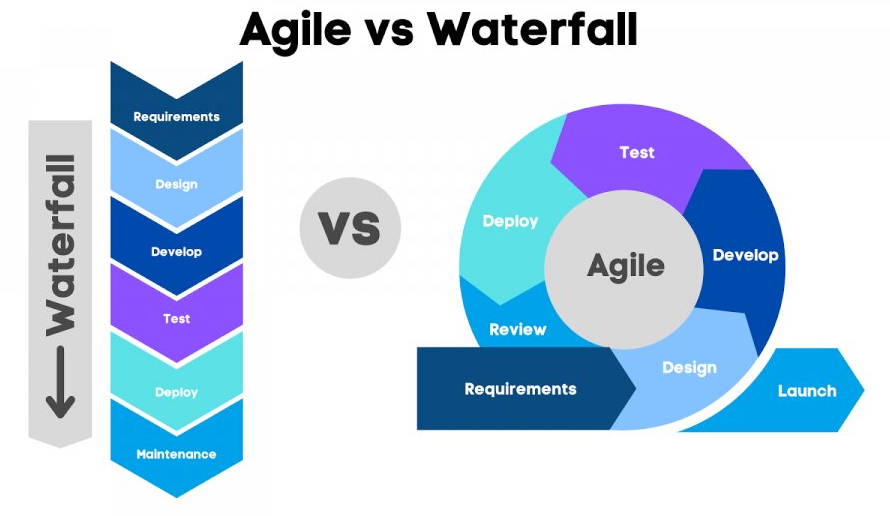
Project management methodologies play a crucial role in ensuring the success of consulting engagements. Two of the most widely used approaches—Waterfall and Agile—offer distinct advantages and limitations depending on the nature of the project, client requirements, and industry constraints.
Comparing Waterfall and Agile in Consulting
Choosing between Waterfall and Agile depends on various factors, including project complexity, requirement stability, industry constraints, and client involvement.
- Waterfall is preferred for projects with strict documentation, regulatory compliance, and well-defined objectives, such as government contracts, financial system implementations, and large-scale infrastructure projects.
- Agile is more suitable for dynamic projects where requirements evolve over time, such as software development, business transformation, and customer experience enhancements.
In some cases, consulting firms adopt a hybrid approach, leveraging the structured planning of Waterfall for high-level strategy while incorporating Agile principles for execution and iterative improvements.
Waterfall Model
The Waterfall methodology follows a linear and sequential approach to project execution, where each phase—analysis, design, development, testing, and implementation—is rigidly planned and executed in a structured order. This model is most effective when project requirements are clearly defined from the beginning and are unlikely to change during development.
In a Waterfall-based project, each phase must be completed before moving to the next, making it highly structured and predictable. Changes to requirements are difficult to implement once a phase has commenced, as modifications may require revisiting previous stages. This methodology is widely used in industries where compliance, risk management, and thorough documentation are essential, such as finance, healthcare, and government projects.
| Advantages | Limitations |
|---|---|
| Predictability: The project follows a well-defined plan, making timelines and resource allocations easier to manage. | Lack of Adaptability: Integrating new requirements during development is costly and time-consuming. |
| Documentation: Every phase is well-documented, providing a comprehensive record of project progress. | Delayed User Feedback: User feedback is typically obtained late in the project, leading to potential delays if revisions are needed. |
| Compliance: The focus on documentation is valuable in highly regulated industries for maintaining legal and security standards. | Limited Client Involvement: The majority of decisions are made during the initial planning phase, risking misalignment with evolving client needs. |
Agile Methodology
The Agile methodology takes an iterative and incremental approach to project management, focusing on flexibility, collaboration, and continuous feedback. Instead of following a rigid structure, Agile projects are divided into short development cycles called sprints, each producing a functional increment of the final product.
Agile emphasizes continuous collaboration with clients, enabling teams to incorporate feedback and adjust project requirements as needed. This makes it ideal for projects where requirements are likely to evolve during development or where delivering value quickly is a priority.
Unlike the Waterfall model, Agile does not rely on detailed upfront planning but instead adapts to changes dynamically, ensuring that the final product remains aligned with business goals and user expectations.
| Advantages | Limitations |
|---|---|
| Adaptability: Development occurs in iterations, allowing teams to respond quickly to changing business needs, market conditions, or client feedback. | Project Planning: Defining a precise timeline and resource allocation can be difficult due to the evolving scope. |
| Continuous User Engagement: Frequent interactions between consultants and clients help ensure that the final deliverable meets evolving requirements. | Documentation: Agile places less emphasis on documentation, which can be a drawback for projects requiring detailed records for compliance, legal, or knowledge-sharing purposes. |
| Incremental Delivery: Stakeholders can see working versions of the product throughout development rather than waiting until the end. | Scope Creep: Continuous modifications can extend project timelines and increase costs if not properly managed. |